Leave Your Message
Choosing a reliable China-based Ascorbic Acid supplier starts with evidence, not a bold “best supplier” claim. Bulk buyers need consistent specifications, dependable communication, and clear records for each shipment. A low price may look attractive, but it means little if the product arrives with unclear labeling or incomplete batch documents. Details matter.
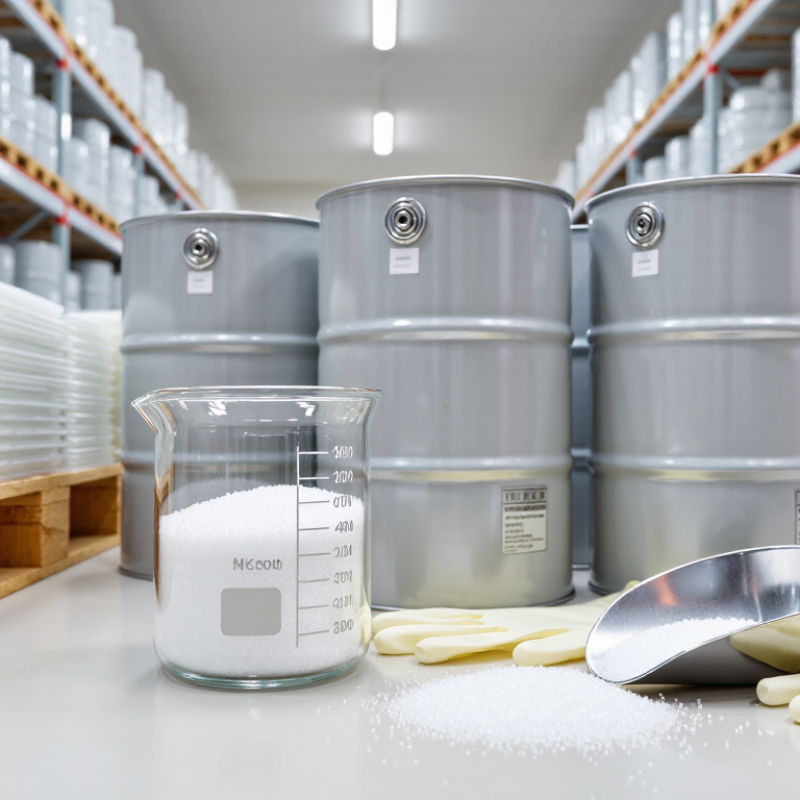
Before placing a large order, request a current specification sheet and a batch-specific certificate of analysis. Check the stated assay, appearance, packaging size, and storage guidance against your requirements. Ask how the supplier identifies lots and handles quality concerns. A sealed inner liner, intact drum, and readable batch code are small details with practical value. They can make receiving and stock rotation easier. Still, documents deserve scrutiny; a neat PDF alone does not prove consistent production.
Compare sample results, minimum order quantities, lead times, and shipping terms across several candidates. Ask who will answer technical questions after the purchase, not only before it. If possible, confirm that the sample and quoted bulk material follow the same specification. That is worth checking. No checklist removes every sourcing risk, and early promises can change when production schedules tighten. A careful buyer should verify key claims and keep written records of agreed details.
This guide examines what bulk buyers can assess when comparing China-based suppliers of Ascorbic Acid. The aim is not to declare one company universally superior. It is to help readers ask sharper questions, spot gaps, and choose a supplier whose documented capabilities fit their product, volume, and timeline.
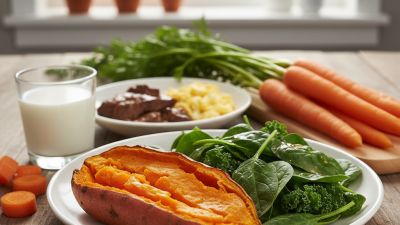
Ascorbic acid is vitamin C in its simple chemical form. It dissolves readily. In the body, vitamin C supports collagen formation, antioxidant defenses, and absorption of iron from plant foods, according to the NIH Office of Dietary Supplements. In manufacturing, it is used to fortify foods and beverages and to help limit oxidation-related color and flavor changes. Typical examples include powdered drink mixes, fruit preparations, and tablets.
The market is substantial, though market estimates vary by research method. Grand View Research valued the global vitamin C market at about US$1.4 billion in 2023 and projected 5.2% annual growth from 2024 to 2030. This figure covers vitamin C products broadly, not only bulk ascorbic acid. That distinction matters when buyers compare demand data with ingredient specifications.
Tips: For bulk handling, check assay, particle size, packaging, and food-grade documentation against the intended use. Keep material sealed and dry; moisture, air, and heat can reduce quality over time. Ask for a recent certificate of analysis and confirm storage guidance for the specific grade. Specifications can look similar on paper, but the right choice depends on the process.
| Category | Information | What Bulk Buyers Should Know |
|---|---|---|
| What it is | Ascorbic acid is vitamin C, a water-soluble organic compound with antioxidant properties. | Confirm that the product grade and specification match the intended food, pharmaceutical, feed, or industrial application. |
| Chemical identity | Formula: C6H8O6 CAS Registry Number: 50-81-7 Molar mass: approximately 176.12 g/mol |
Check the product identity and the applicable specification on the certificate of analysis (COA). |
| Appearance and solubility | Typically supplied as a white to slightly yellow crystalline powder; soluble in water. | Color and physical form can be affected by handling and storage. Review the supplier’s specification and packaging details. |
| Food applications | Used as an antioxidant and acidity regulator in some foods and beverages; it is designated E300 in the European Union food additive numbering system. | Verify food-grade suitability, permitted uses, labeling requirements, and compliance with the rules in the destination market. |
| Nutrition and fortification | Used as a source of vitamin C in fortified foods, beverages, and dietary supplements. | Confirm assay, applicable compendial or regulatory requirements, and stability considerations for the finished formulation. |
| Pharmaceutical applications | May be used as an active ingredient or formulation component, depending on the product and applicable regulations. | Request documentation appropriate to the intended use, such as a COA and relevant quality or regulatory documents. |
| Animal feed applications | Vitamin C may be included in certain animal-feed formulations, subject to species-specific needs and local regulations. | Check feed-grade suitability, local authorization, and any handling or formulation guidance relevant to the application. |
| Quality documents | Common documents to request include a batch-specific COA, safety data sheet (SDS), product specification, and origin or compliance documents where applicable. | Compare documentation scope and batch traceability. Certifications and regulatory statements should be verified for the specific product and facility. |
| Packaging and storage | Packaging formats and storage instructions vary by supplier and product. Ascorbic acid should generally be protected from moisture, excessive heat, and prolonged exposure to air and light. | Confirm pack size, inner liner, palletization, shelf life, storage conditions, and transport requirements before placing a bulk order. |
| Bulk supplier evaluation | Supplier selection can be assessed through product specifications, documentation, quality controls, production capacity, lead time, packaging, and export experience. | Request written quotations against the same specification and delivery terms. Evaluate evidence and suitability rather than relying on an unsupported “best supplier” claim. |