China Best Biotin Vitamin Manufacturers for Global Buyers
Choosing a reliable China Biotin Vitamin manufacturer requires more than comparing prices or browsing polished websites. Global buyers need evidence of manufacturing experience, ingredient quality, testing controls, and dependable communication. A professional supplier should explain its production process clearly, from raw material verification to filling, labeling, and final shipment.
This guide examines manufacturers that serve international customers and highlights practical evaluation points. Buyers can review factory qualifications, quality management systems, batch consistency, and available documentation such as certificates of analysis, stability data, and third-party test reports. Site audits, sample orders, and responsive technical support also provide useful evidence. Small details matter. A sealed sample jar, traceable batch number, and clear expiry date can reveal more than a sales presentation.
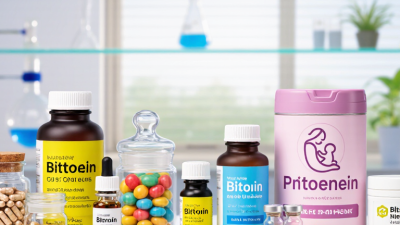
Biotin Vitamin products may be supplied as capsules, tablets, gummies, powders, or customized formulations. Requirements can differ across markets, so buyers should confirm labeling, dosage, claims, packaging, and import documentation before placing large orders. A manufacturer experienced in export projects may reduce communication and compliance risks, but experience alone is not proof of current performance. No supplier is perfect. Production capacity can change, documents may need updating, and attractive promises still require verification. By comparing transparent evidence rather than relying on rankings, global buyers can identify suitable China manufacturers and build safer, more stable supply partnerships.
Biotin Vitamin Manufacturing in China: Industry Overview and Product Types
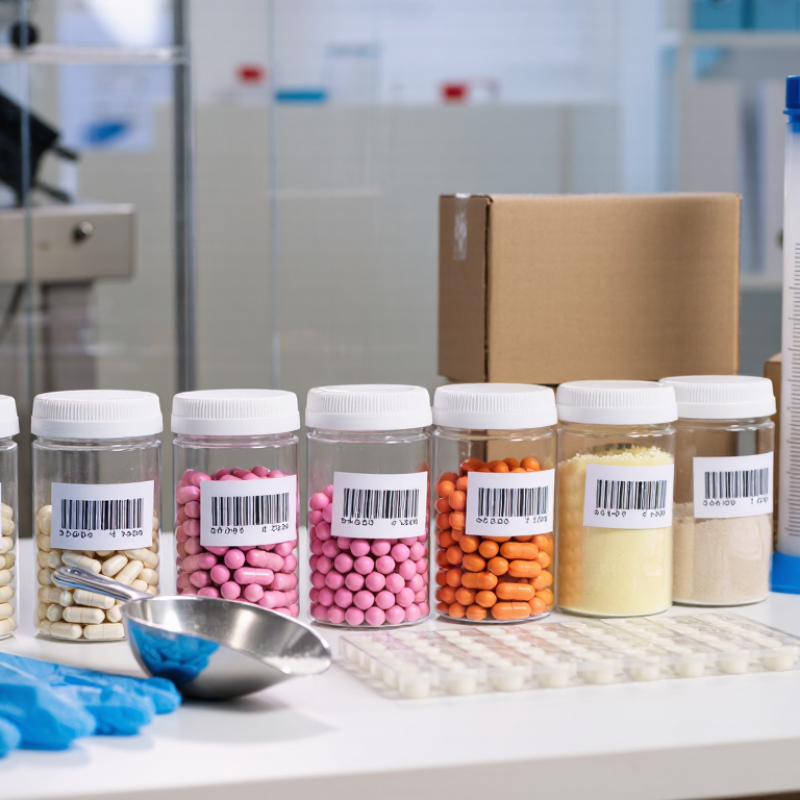
China’s biotin vitamin sector combines raw material processing, formulation, packaging, and export services. Manufacturers commonly produce pure biotin powder, tablets, capsules, gummies, liquid drops, and premixes. Each format requires different controls for stability, taste, moisture, and dosage consistency.
Experienced suppliers usually support private-label and bulk production for global buyers. Reliable facilities follow documented quality systems, controlled sanitation, and batch traceability. Buyers should request certificates of analysis, microbiological results, heavy-metal testing, and stability data. Product labels must also match the destination market’s rules. This step is often underestimated.
Tips: Compare specifications before comparing prices. Ask for a recent production sample and verify its test results independently. Review the factory’s audit records, equipment, packaging controls, and complaint procedure. A video tour helps, but it cannot replace an on-site or third-party audit. Be careful with impressive claims. Some details may remain unclear until production begins. A written quality agreement can reduce that risk. Consider allergen statements, shelf-life evidence, minimum order quantities, and shipping conditions before signing.
China Biotin Vitamin Manufacturing: Industry Overview and Product Types
Biotin products manufactured in China are commonly supplied as tablets, capsules, gummies, softgels, powders, and liquid drops for private-label, contract-manufacturing, and export markets. The chart shows the U.S. National Academies’ Adequate Intake values for biotin by life stage, providing a factual reference for product formulation and dosage planning.
Reference: National Institutes of Health, Office of Dietary Supplements, Biotin Fact Sheet. Values are Adequate Intake levels measured in micrograms per day and are not manufacturer or brand sales data.
How Global Buyers Evaluate Chinese Biotin Vitamin Manufacturers
Global buyers assessing Chinese biotin vitamin manufacturers look beyond low quotations. According to Grand View Research, the global biotin market was estimated at over USD 1 billion in 2023, with continued growth expected through 2030. This demand increases pressure on suppliers to prove consistency, not merely offer attractive prices.
Documentation matters. Buyers often request recent certificates of analysis, assay results, microbiological limits, heavy-metal testing, and stability data. ISO 22000 or equivalent food-safety systems can support confidence, but certificates alone are not enough. A serious evaluation includes a factory audit, production records, cleaning procedures, and sample-to-batch traceability. The Codex Alimentarius food hygiene principles also emphasize hazard control and documented verification.
Small details reveal operational maturity. Can the supplier explain a slight assay variation between batches? Are cartons labeled with batch numbers and storage conditions? Does the technical team answer within one working day? These practical signals matter during international purchasing. Capacity claims should be checked against equipment, staffing, and recent shipment records. According to the 2024 Food Safety Market report from MarketsandMarkets, traceability and compliance remain major purchasing priorities across food ingredients.
Price still matters. It should not lead. Some buyers may also overlook packaging compatibility or regional labeling rules. That mistake is costly. A manufacturer may pass laboratory testing yet fail a destination-market review. No supplier is perfect, and buyers should record unresolved questions rather than hide them. Reflective due diligence often separates a reliable long-term partner from a short-term quotation.
Quality Standards, Certifications, and Production Capabilities
China’s biotin vitamin manufacturers serve buyers across private-label, wholesale, and supplement distribution markets. Reliable producers should follow GMP principles and maintain documented quality systems. Certifications such as ISO 22000, HACCP, and ISO 9001 can support this assessment. However, certificates need verification.
During supplier evaluations, buyers should inspect raw material controls, weighing records, and batch traceability. A dependable facility can provide a current certificate of analysis for each lot. Testing should cover biotin potency, microbial limits, heavy metals, moisture, and product identity. Clear sampling procedures matter.
Production capability also affects commercial reliability. Modern lines may support tablets, capsules, powders, and custom packaging. Separate storage zones can reduce cross-contact risks. Temperature and humidity records should be available for sensitive materials. A stable supply chain helps prevent unexpected delays.
Ask for recent audit reports.
Experienced manufacturers usually explain their deviation procedures. If a batch misses specifications, the factory should document the investigation and corrective action. Stability data can help confirm shelf-life claims under defined storage conditions. No factory is perfect. A certificate is evidence, not proof of daily discipline. Some suppliers present polished documents but offer limited production transparency, which deserves careful review. Face-to-face audits, sample testing, and independent laboratory checks may reveal gaps before a long-term contract begins.
Comparing China’s Leading Biotin Vitamin Suppliers for International Markets
China Best Biotin Vitamin Manufacturers for Global Buyers
Comparing China’s Leading Biotin Vitamin Suppliers for International Markets requires more than checking price lists. Grand View Research valued the global dietary supplements market at about USD 177.5 billion in 2023. It also expects strong growth through 2030. This expansion increases pressure on Chinese suppliers to prove quality, not merely production capacity.
My supplier reviews begin with manufacturing records. A reliable factory should provide current GMP documentation, batch-specific certificates of analysis, heavy-metal testing, microbiological results, and stability data. The NIH Office of Dietary Supplements lists 30 micrograms as the adequate intake for adults. Therefore, dosage accuracy matters. Some suppliers offer flexible formulas, private labeling, and low minimum order quantities. Others provide stronger traceability but require larger volumes and longer lead times.
Details reveal differences. Ask whether biotin identity is confirmed by validated laboratory methods, rather than one basic assay. Check whether packaging protects capsules from heat and moisture during ocean transport. Audit responses also matter. Fast answers are useful, but complete answers are better. I have seen polished documents hide weak lot tracking. That remains a warning sign. Supplier comparisons should include production experience, export history, audit openness, testing independence, payment terms, and recall procedures. Prices change quickly, so a low quotation may not represent the lowest landed cost. Reference sources: NIH Office of Dietary Supplements, Biotin Fact Sheet; Grand View Research, Dietary Supplements Market Report.