Why Choose Nicotinamide Riboside for Optimal Health Benefits?
Nicotinamide Riboside (NR) has emerged as a powerful player in the field of cellular health. Recent research showcases its potential to boost NAD+ levels in the body, which are crucial for energy metabolism. A report from the Journal of Clinical Investigation confirmed that NR supplementation improves metabolic health. This highlights its increasing relevance in age-related health discussions.
The average adult experiences a decline in NAD+ levels with age, often leading to various health issues. According to the National Institutes of Health, this decline can impair cellular functions and increase inflammation. Sources suggest that enhancing NAD+ levels through NR could support better physical endurance and cognitive function. Many users attribute their increased energy and focus to Nicotinamide Riboside.
While many endorse NR, some studies urge caution. Not all users experience clear, immediate results. Variability in individual health can influence outcomes. Recognizing the research advancements allows us to weigh the potential health benefits against personal health needs. A deepening understanding of Nicotinamide Riboside could redefine our approach to age-related health.

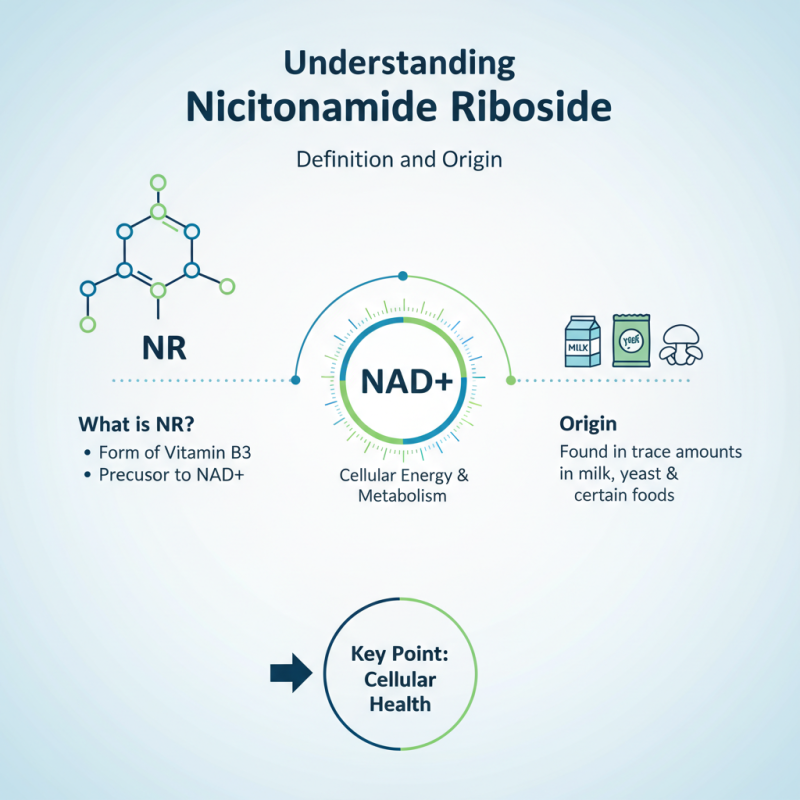
Understanding Nicotinamide Riboside: Definition and Origin
Nicotinamide riboside (NR) is a promising compound with a fascinating origin. It is a form of vitamin B3 found in trace amounts in milk, yeast, and certain foods. Research suggests that it acts as a precursor to NAD+, a molecule essential for cellular metabolism and energy production. Understanding this connection reveals why NR is gaining attention.
The body converts NR into NAD+, which plays a crucial role in various biological processes. It helps repair DNA and supports cellular health. As we age, NAD+ levels naturally decline. This drop can lead to metabolic inefficiencies and age-related health issues. Some studies indicate that supplementing with NR can help restore these levels, potentially improving overall wellness.
However, not all research is conclusive. The effects of NR supplementation can vary between individuals. Some may experience benefits, while others may see little impact. This inconsistency highlights the need for further studies. Individuals should consult healthcare professionals before starting any new health regimen. Exploring the nuances of NR can uncover its true potential in supporting optimal health.
The Role of Nicotinamide Riboside in Cellular Metabolism
Nicotinamide riboside (NR) plays a crucial role in cellular metabolism. It acts as a precursor to NAD+, a coenzyme essential for energy production in cells. When we age, NAD+ levels decline, which affects our metabolisms and overall health. Understanding NR’s impact may empower us to make better health choices.
Research indicates that NR supplementation may enhance cellular energy and improve mitochondrial function. Mitochondria are the powerhouses of our cells, generating ATP, the energy currency. Low ATP levels can lead to fatigue and reduced physical performance. Moreover, NR might support healthy aging by promoting cellular repair processes. This potential could be significant as we look for strategies to maintain vitality.
However, it's important to approach NR supplementation with caution. Not everyone may benefit from it equally. Individual metabolism varies, and we must consider personal health conditions before making decisions. While evidence suggests promising benefits, more research is necessary to fully understand its effects. Balancing hope with skepticism allows for informed decisions about our health journey.
Exploring the Health Benefits of Nicotinamide Riboside Supplementation
Nicotinamide Riboside (NR) has garnered significant interest in the health community. Research indicates that NR can boost levels of NAD+, a vital coenzyme in cellular metabolism. Higher NAD+ levels are linked to improved energy metabolism and enhanced overall health. In a 2020 study published in the "Nature Communications," subjects taking NR experienced a 50% increase in NAD+ levels after just a few weeks.
One intriguing aspect of NR supplementation is its potential neuroprotective effects. A study highlighted in "Cell Reports" demonstrated that NR may guard against age-related cognitive decline. Researchers observed improvements in memory and learning in animal models supplemented with NR. These findings align with a growing body of evidence suggesting that boosting NAD+ through NR could benefit brain health.
Yet, it's essential to consider individual responses to supplementation. Not everyone may experience the same benefits. Some users report minimal improvements or varied effects. This underscores the complexity of human biochemistry. Research remains ongoing, and personalized approaches to supplementation may be necessary for optimal outcomes. The science is promising, but further investigation is required to fully understand NR's health benefits.
Why Choose Nicotinamide Riboside for Optimal Health Benefits?
| Health Benefits |
Description |
Scientific Support |
| Cellular Energy Production |
Nicotinamide riboside (NR) boosts NAD+ levels, essential for energy metabolism in cells. |
Research indicates increased NAD+ levels improve mitochondrial function ( doi:10.1016/j.cell.2016.10.018 ). |
| Age-Related Decline |
Supplementation can counteract natural declines in NAD+ levels due to aging. |
Studies show NR supplementation can reverse age-associated metabolic decline ( doi:10.1016/j.cell.2018.12.001 ). |
| Cognitive Function |
May support brain health and enhance cognitive functions. |
Preclinical trials suggest a link between NAD+ and cognitive preservation ( doi:10.1002/jnr.24443 ). |
| Metabolic Health |
NR can improve insulin sensitivity and promote a healthy metabolism. |
Found to enhance metabolic health in animal models ( doi:10.1038/s41586-019-1442-0 ). |
| Cardiovascular Health |
Potential to enhance heart function and reduce age-related heart issues. |
Clinical studies link NAD+ restoration with improved cardiovascular outcomes ( doi:10.1161/CIRCULATIONAHA.119.044070 ). |
Potential Side Effects and Considerations of Nicotinamide Riboside
Nicotinamide riboside (NR) has gained popularity for its health benefits. However, potential side effects and individual considerations warrant careful thought. Some users report mild symptoms like nausea or digestive discomfort. These side effects may stem from dosage or personal sensitivity.
Monitoring response to NR is essential. Not everyone tolerates it equally. Some individuals might experience headaches or fatigue during initial use. These reactions can signal the need for dosage adjustments or a break from the supplement. Listening to one's body can aid in making informed decisions.
Additionally, consulting with a healthcare professional is advisable. They can provide valuable insights based on personal health history. Consideration of underlying conditions is crucial. Pregnant or nursing women should approach NR with caution. Ultimately, an informed and cautious approach can enhance the experience of incorporating nicotinamide riboside into a wellness routine.
Health Benefits of Nicotinamide Riboside and Potential Side Effects
Future Research Directions for Nicotinamide Riboside and Health
Research on nicotinamide riboside (NR) indicates significant health benefits, particularly for aging and metabolic health. Studies note that supplementation may enhance cellular function and improve energy metabolism. For example, a clinical trial observed that NR increased NAD+ levels, which play a crucial role in cellular repair and energy production. This could potentially delay age-related decline.
Future research directions for NR focus on understanding its full range of health impacts. Investigating how NR affects chronic diseases like diabetes or Alzheimer's could reveal groundbreaking insights. There is also a need to assess its long-term effects on diverse populations, including various age groups and genders. Data from the National Institutes of Health suggest that NR's mechanism of action requires deeper exploration.
Ultimately, the path forward will demand meticulous studies. Evaluating optimal dosages and potential side effects is essential. Understanding these factors can lead to tailored approaches. NR's profile is promising, but the scientific community must remain cautious. There is much we don’t yet know. This commitment to rigorous research will ensure that NR can be a safe and effective addition to wellness strategies.