How to Source Methylfolate for Global Procurement Needs?
Methylfolate, the bioactive form of folate, plays a crucial role in various metabolic processes. According to recent reports from industry leaders, the global market for methylfolate is projected to grow significantly, reaching an estimated value of over $150 million by 2025. This growth is driven by the rising awareness of the benefits of methylfolate in health and nutrition.
Sourcing methylfolate for global procurement needs requires strategic planning and market analysis. Reliable suppliers are essential. However, the market is highly competitive. This presents challenges in ensuring quality and compliance. Extensive research must be conducted to identify the right partners. Regulatory considerations also add complexity to the procurement process, necessitating careful attention to international guidelines.
Companies must prioritize not just price but also the quality of methylfolate. Balancing cost and reliability is often harder than it seems. It’s vital to reflect on past experiences and learn from them. Identifying gaps and potential risks in supply chains can lead to better decision-making. Ultimately, adapting to market demands while ensuring ethical sourcing is key to successful procurement.

Understanding Methylfolate: Chemical Properties and Benefits
Methylfolate is the active form of vitamin B9. It plays a crucial role in many biological processes. This folate form is vital for DNA synthesis and repair. It enhances mood and overall mental health. Understanding its chemical properties helps in sourcing it effectively.
The chemical structure of methylfolate allows it to easily cross the blood-brain barrier. This means it can effectively support neuronal health. Its stability under various conditions makes it a reliable ingredient in supplements. However, sourcing high-quality methylfolate is challenging. You must consider purity levels and production practices. Not all suppliers meet stringent quality standards.
In the global market, transparency in sourcing is often insufficient. Many suppliers might lack comprehensive testing protocols. It’s essential to conduct thorough due diligence. While various sources exist, not all provide sustainable options. Consider ethical implications when choosing suppliers. Balancing cost and quality can sometimes require tough choices.
Global Market Analysis: Methylfolate Demand and Supply Trends
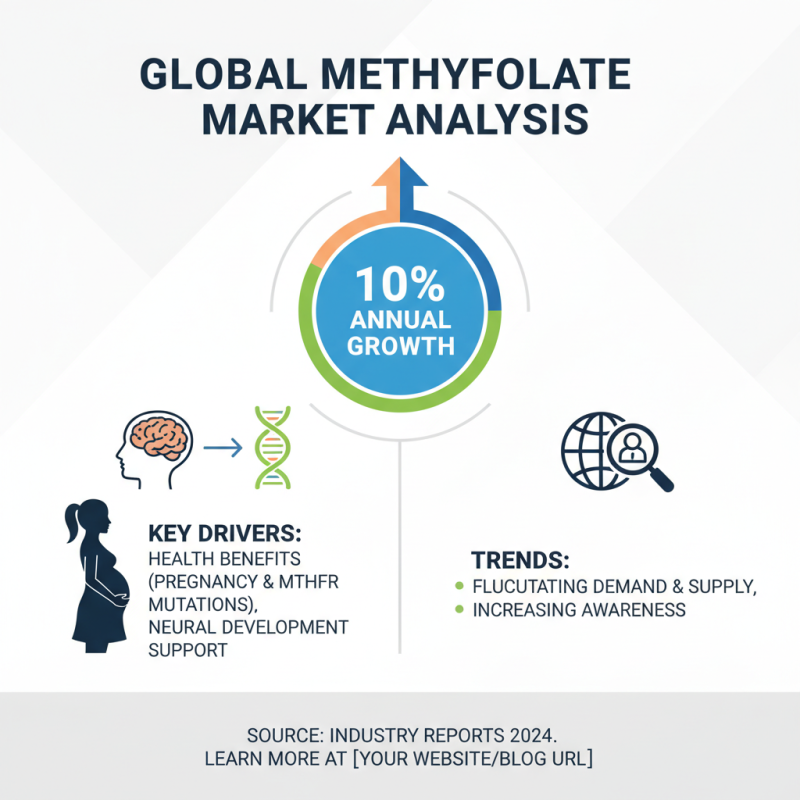
The global methylfolate market shows fluctuating trends in demand and supply. Recent reports indicate a growth rate of 10% annually. Factors driving this include an increasing awareness of methylfolate’s health benefits in treatment protocols, especially for pregnant women and individuals with MTHFR gene mutations. This compound's ability to support neural development enhances its appeal globally.
Regional analyses reveal that North America leads, driven by high consumption in dietary supplements and pharmaceuticals. However, Asia Pacific is emerging as a key market due to a rising middle class and healthcare advancements. Challenges such as sourcing raw materials and fluctuating prices pose threats to consistent supply. Some suppliers struggle to meet rising demand, which may lead to shortages.
Additionally, quality control remains a concern. Many manufacturers prioritize cost over purity. This practice could lead to regulatory scrutiny and product recalls, impacting market trust. Buyers must focus on sourcing from reliable suppliers to mitigate risks. Understanding supply chain dynamics will be crucial for effective procurement strategies.
Key Players in Methylfolate Sourcing: Manufacturers and Distributors
In the realm of methylfolate sourcing, identifying reliable manufacturers and distributors is crucial. Methylfolate, an active form of vitamin B9, is essential for various health applications. Key manufacturers often specialize in biotechnology and nutritional ingredients. They ensure quality through rigorous testing and adherence to global standards.
Distributors play a pivotal role in making methylfolate accessible to a broader market. They bridge the gap between manufacturers and end-users, ensuring timely delivery. Choosing a distributor involves assessing their reputation and reliability. Some distributors may offer lower prices, but the quality of the product should always come first.
Engaging with these players requires research. Not every distributor can guarantee authentic methylfolate. Potential buyers should ask for documentation and certificates of analysis. It’s also vital to maintain communication and build relationships. However, it’s important to remain vigilant. Miscommunication can lead to sourcing issues or product dissatisfaction.
How to Source Methylfolate for Global Procurement Needs?
| Aspect |
Details |
| Key Manufacturers |
Suppliers across North America and Europe focusing on dietary supplements. |
| Leading Distributors |
Global distribution networks specializing in health ingredients. |
| Market Demand |
Increasing demand for Methylfolate in supplements and functional foods. |
| Sourcing Regions |
Asia-Pacific, North America, and Europe. |
| Quality Certifications |
GMP, ISO 9001, and Organic certifications are preferred. |
| Pricing Trends |
Steady prices with fluctuations based on raw material availability. |
| Supply Chain Challenges |
Logistical issues and regulatory compliance affect sourcing efficiency. |
| Future Outlook |
Potential growth in the nutraceutical market driving further sourcing strategies. |
Regulatory Considerations: Compliance and Quality Standards for Methylfolate
Regulatory compliance is crucial when sourcing methylfolate globally. Different regions have specific guidelines that procurement teams must follow. Familiarizing yourself with these regulations can prevent costly mistakes. Countries may assess quality differently, impacting safe consumption. Understanding these standards is essential for maintaining product integrity.
Tips: Always check local regulations for updates. Documentation is key for compliance. Keep records of all transactions to verify quality and source legitimacy.
Quality standards often include manufacturing processes and ingredient sourcing. A reliable supplier should provide detailed product specifications. Don’t hesitate to ask questions about their testing methods.
Low-quality methylfolate can lead to significant health risks. Transparency from suppliers builds trust but is not always guaranteed.
Tips: Request certificates of analysis before finalizing orders. Verify third-party testing to ensure safety. Walk away from suppliers that are vague about their practices.
This is vital for your reputation and the well-being of end-users.
Best Practices for Global Procurement: Cost-Effectiveness and Logistics
Global procurement of methylfolate presents substantial challenges. Effective cost management is crucial for success. Reports indicate that global sourcing can save companies up to 20% on raw materials. However, hidden costs can emerge in logistics and supply chain management. Understanding these potential pitfalls is essential.
Shipping methylfolate can be complex. Temperature sensitivity and shelf life affect overall cost. By employing efficient logistical practices, businesses can mitigate these issues. For example, optimizing shipment frequencies helps minimize storage costs. According to industry analysis, companies can reduce delivery times by 30% through better planning.
Sourcing methylfolate also requires navigating regulatory landscapes. Compliance with international standards is non-negotiable. Yet, this can lead to delays and increased expenses. Companies need to invest time in understanding local regulations. This is an area often overlooked, yet it holds significant implications for procurement efficiency. Balancing cost-effectiveness with logistical realities demands a strategic approach.
Global Procurement Needs for Methylfolate