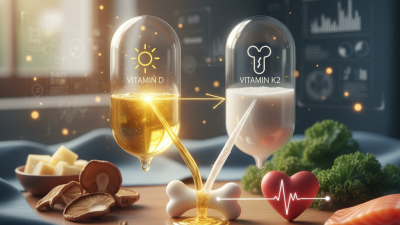
Is Vitamin D K2 the Key to Better Health and Wellness?
Vitamin D K2 has gained attention in recent years as a potential game-changer for health and wellness. Many people are unaware of the synergy between these two essential nutrients. Vitamin D is crucial for bone health and immune function, while K2 plays a role in directing calcium to bones and preventing artery calcification. This dual functionality may enhance overall health significantly.
Research suggests that the combination of Vitamin D and K2 helps in better calcium metabolism. Many individuals lack sufficient Vitamin D, especially in areas with limited sunlight. This deficiency can lead to serious health issues. Pairing it with K2 could optimize its benefits. However, it's essential to approach supplementation with care and seek professional guidance.
As we explore the potential of Vitamin D K2, one must consider personalized health needs. Each individual's body responds differently, and there's no one-size-fits-all solution. Engaging with healthcare professionals will ensure a balanced approach. Understanding and implementing these nutrients thoughtfully could lead to improved health outcomes.

The Role of Vitamin D and K2 in Human Health
Vitamin D and K2 play vital roles in maintaining human health.
Vitamin D is known for its ability to regulate calcium and phosphorus levels. This regulation is crucial for bone health.
Without adequate Vitamin D, bones can become weak and brittle. Many people are deficient in this essential nutrient, especially those in less sunny regions.
Vitamin K2 complements Vitamin D by directing calcium to the right places in the body.
It helps prevent calcium buildup in arteries, which can lead to cardiovascular issues.
Some studies suggest a synergy between these vitamins. Together, they support bone density and heart health.
However, not everyone meets the recommended levels.
It's necessary to reflect on our dietary habits. Many people rely on supplements, but whole food sources are preferred.
Fortified foods are available, yet they may not provide sufficient amounts.
Individual needs can vary greatly, making it essential to evaluate one’s own diet.
Regular check-ups with a healthcare professional can help determine the need for supplements.
Understanding your body is the first step towards better health.
Understanding the Benefits of Vitamin D for Wellness
Vitamin D plays a vital role in our health. It supports immune function and bone strength. Many people are deficient in this essential nutrient. This deficiency can lead to various health issues. Ensuring adequate levels of Vitamin D is crucial, particularly for those living in less sunny climates.
Furthermore, Vitamin D works synergistically with Vitamin K2. Together, they promote better calcium metabolism in the body. This combination may help maintain strong bones and prevent cardiovascular diseases. The relationship between these vitamins is gaining attention among health professionals. They advocate for a holistic approach to wellness, emphasizing the balance of nutrients in our diets.
However, awareness about Vitamin D's benefits is often lacking. Many individuals do not get enough sunlight or proper nutrition. Regular testing can be beneficial. It’s also recommended to consult with healthcare providers before making major changes. As we explore these vitamins, we must remain open to ongoing research. There's always more to learn about what truly supports our health.
The Importance of Vitamin K2 in Bone and Cardiovascular Health
Vitamin K2 plays a crucial role in maintaining bone and cardiovascular health. Studies show that K2 helps direct calcium to the bones, preventing buildup in arteries. The Journal of Bone and Mineral Research states that adequate vitamin K2 intake can reduce fracture risk by 25%. This benefits not only older adults but also younger individuals at risk for bone issues.
Research highlights a strong relationship between vitamin K2 and the prevention of cardiovascular diseases. A study published in the European Journal of Preventive Cardiology found that higher K2 levels reduced the risk of heart disease by 50%. This is significant given that cardiovascular conditions are leading causes of death globally.
Tips: Incorporating fermented foods like natto can boost your K2 levels naturally. Regularly check your vitamin D levels, as they work synergistically with K2. Exploring different dietary sources ensures you’re not relying solely on one method of supplementation. Adjusting lifestyle choices can promote better health outcomes.
How Vitamin D and K2 Work Together in the Body
Vitamin D and K2 play crucial roles in our overall health. Research shows that Vitamin D helps improve calcium absorption in the gut. This is vital for maintaining strong bones. Without enough Vitamin D, calcium may not be effectively utilized. This can lead to weakened bones and a risk of fractures.
A study from the Journal of Bone and Mineral Research reported that low Vitamin D levels are linked to increased bone density loss.
K2 complements Vitamin D by directing calcium to where it is needed most. It activates proteins that help bind calcium to bones and teeth, preventing arterial calcification. According to a report published in Nutrients, an adequate intake of K2 can reduce the risk of cardiovascular diseases.
Many people forget this connection. If vitamin D is plentiful but K2 is lacking, calcium may accumulate in the arteries instead of bones. This issue deserves reflection.
Optimal health relies on the delicate balance of these vitamins. Yet, many individuals do not get enough of them through diet alone. Supplements may help, but they should not replace whole food sources. Ongoing research is needed to clarify the full potential of the Vitamin D and K2 partnership. This area of study shows promise, but more data is essential to draw concrete conclusions.
Sources and Recommended Dosages of Vitamin D and K2
Vitamin D and K2 play crucial roles in maintaining optimal health. Vitamin D, often called the "sunshine vitamin," is vital for calcium absorption. When combined with vitamin K2, it enhances bone density and reduces the risk of fractures. A study published in the Journal of Nutrition found that adequate levels of both vitamins correlate with better bone health among older adults.
Sources of vitamin D include sunlight exposure, fatty fish, and fortified foods. For those who struggle to get enough from these sources, supplements can help. Vitamin K2 is found in fermented foods like natto and certain cheeses. Research indicates that the recommended daily intake for vitamin D ranges from 600 to 800 IU, while K2 needs vary from 90 to 120 mcg for adults. However, many people fall short of these recommendations.
Despite the benefits, awareness about safe dosages remains low. Over-supplementation can lead to toxicity, particularly with vitamin D. Balancing these nutrients is key for maximizing their effects. Ongoing studies are needed to clarify their combined benefits and proper dosages. Individuals should consult healthcare professionals to tailor their intake based on specific health conditions.