Top 10 Benefits of Feed Acidifier for Livestock Health?
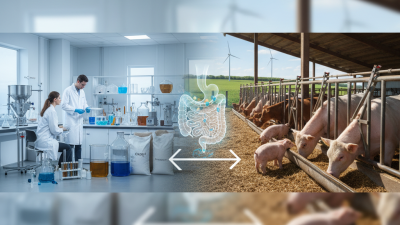
In the world of livestock management, maintaining animal health is crucial for productivity. Feed Acidifier is an innovative solution that addresses various health challenges in animals. This additive plays a vital role in improving gut health, nutrient absorption, and metabolic efficiency. By regulating pH levels in the digestive system, Feed Acidifier supports the growth of beneficial microorganisms.
Recent studies have shown that incorporating Feed Acidifier can enhance the overall well-being of livestock. Healthy animals lead to higher milk yields and better weight gain. Moreover, the reduction of pathogens results in fewer diseases. Farmers increasingly recognize the benefits of this feed additive, as it directly impacts their bottom line.
However, it's essential to consider the individual needs of livestock. Not all animals may respond similarly to Feed Acidifier. Monitoring and adjustments are crucial for optimal results. The journey to improved animal health begins with informed choices, and Feed Acidifier is a noteworthy option in that endeavor.
Top 10 Benefits of Feed Acidifier for Livestock Health
Feed acidifiers are gaining attention for their impact on livestock health. They can help improve digestion and nutrient absorption. Livestock often face digestive issues that lead to poorer growth. Adding feed acidifiers can reduce these problems, promoting better overall health.
These additives can enhance gut health by lowering pH levels. A lower pH can inhibit harmful bacteria. Healthy gut flora supports nutrient breakdown, which boosts energy levels and weight gain. Producers may notice improved feed efficiency as animals convert feed into muscle more effectively. It's also worth acknowledging that not all animals respond the same way to acidifiers. Some may show limited benefits.
Moreover, feed acidifiers can improve hygiene in feed and water. They can lower the risk of spoilage, which means animals consume fresher feed. However, decisions about using acidifiers should consider specific livestock needs. Consulting with a veterinarian or animal nutritionist is essential to evaluate individual farm situations. This ensures the integration of acidifiers is done effectively and responsibly.
Top 10 Benefits of Feed Acidifier for Livestock Health
| Benefit |
Description |
| Improved Digestion |
Feed acidifiers help balance the pH in the gastrointestinal tract, enhancing nutrient absorption. |
| Pathogen Control |
They inhibit the growth of harmful bacteria, reducing infections and diseases in livestock. |
| Enhanced Feed Efficiency |
By improving digestion, livestock utilize feed more efficiently, leading to better growth rates. |
| Reduced Feed Costs |
Improved feed efficiency can result in lower overall feed costs for farmers. |
| Better FCR (Feed Conversion Ratio) |
Acidifiers can improve the feed conversion ratio, meaning less feed is required for weight gain. |
| Lower Stress Levels |
Reduced pathogen load and improved digestion can lower stress levels in livestock, improving overall health. |
| Improved Meat Quality |
Healthier animals tend to produce higher quality meat with better flavor and texture. |
| Enhanced Availability of Nutrients |
Acidifiers can make important nutrients more available for absorption in the gut. |
| Improved Immune Response |
Better gut health supports an improved immune response to sickness and disease. |
| Longer Shelf Life of Feed |
Feed acidifiers can help prevent spoilage and mold growth, extending the shelf life of feed. |
Understanding the Role of Feed Acidifiers in Livestock Nutrition
Feed acidifiers play a vital role in livestock nutrition. They enhance digestion by lowering the pH in the stomach. This improved acidity helps break down feed more effectively. As a result, animals can absorb nutrients better. This process is essential for promoting growth and maintaining health.
Maintaining a healthy gut is key for livestock. Feed acidifiers support the growth of beneficial bacteria. This balance can reduce harmful pathogens in the digestive tract. Healthy gut flora leads to better feed conversion rates too. As animals grow efficiently, farmers see improved productivity.
Consider these tips when using feed acidifiers. Monitor the pH levels of your feed regularly. Adjustments may be necessary based on your livestock's specific needs. Additionally, observe the livestock's health and behavior after introducing acidifiers. Each group's response can differ. Be prepared to tweak your approach for optimal results. Focusing on these aspects can enhance both livestock health and overall farm performance.
Impact of Feed Acidifiers on Gut Health and Microbial Balance
Feed acidifiers play a crucial role in enhancing livestock gut health. These additives create an ideal pH environment for beneficial bacteria. A balanced microbial population is essential for nutrient absorption and overall well-being. When gut health improves, livestock often see better growth rates and reduced disease incidence.
Moreover, feed acidifiers can help reduce harmful pathogens in the gastrointestinal tract. They inhibit the growth of bacteria that cause diseases. This action contributes to a more stable gut microbiome. However, not all acidifiers perform equally for every animal type. It is important to assess the specific needs of each livestock species.
Understanding the interaction between feed acidifiers and gut health requires ongoing research. While many studies show benefits, conflicting results are common. Some farmers notice significant improvements; others see minimal effects. Therefore, careful evaluation of their effectiveness on individual farms is necessary. Experimentation may lead to better insights and practices. Livestock producers must remain open to adjusting their strategies based on observed outcomes.
Enhanced Nutrient Absorption Through the Use of Feed Acidifiers
Feed acidifiers play a crucial role in enhancing nutrient absorption in livestock. These substances help maintain a balanced gut pH, creating a favorable environment for beneficial bacteria. As a result, feed conversion efficiency increases, allowing animals to extract more nutrients from their diet. Healthy gut flora also supports immune function, which can lead to improved overall health in livestock.
One of the key benefits of feed acidifiers is their ability to break down complex feed ingredients. This process makes nutrients more bioavailable. For instance, proteins and carbohydrates can be more easily digested, which aids in muscle and energy development in growing animals. Moreover, when livestock absorb nutrients effectively, it can reduce waste and lower feed costs over time.
Incorporating feed acidifiers into livestock diets requires careful consideration. Not all acidifiers are the same, and their effects can vary depending on the animal's specific needs. Monitoring animal performance and adjusting the acidifier types or dosages based on observed results may enhance efficacy. It's essential to approach this aspect thoughtfully, as the balance between gut health and acid levels can vary with different livestock species.
Reduction of Pathogenic Bacteria in Livestock Diets with Acidifiers
The use of feed acidifiers in livestock diets has gained attention for their ability to control pathogenic bacteria. By lowering the pH in the gastrointestinal tract, these acidifiers create an environment that is less hospitable to harmful microorganisms. This reduction in pathogenic bacteria not only boosts gut health but also enhances nutrient absorption. Livestock can utilize feed more efficiently, ultimately leading to improved growth and productivity.
Interestingly, studies have shown significant reductions in common pathogens such as Salmonella and E. coli when acidifiers are used. This minimizes the risk of disease outbreaks within herds. However, implementation can vary depending on the specific dietary needs and conditions of the livestock. Farmers must remain informed and consult veterinary professionals to tailor their use effectively.
Not every approach works for all systems. Some farmers have faced challenges with dosage and adjustment in diet composition. It’s crucial to monitor the overall health and performance of the livestock closely. Continuous evaluation of the benefits and potential downsides can lead to more refined practices in the future. The aim should always be to improve animal welfare while maintaining productivity.
Conclusion
Feed acidifiers play a crucial role in enhancing livestock health by improving gut health and microbial balance. These additives help maintain an optimal pH level in the gastrointestinal tract, which is essential for efficient nutrient absorption. By promoting a healthier digestive environment, feed acidifiers can significantly enhance the overall nutrient availability, leading to better growth and productivity in livestock.
Additionally, the use of feed acidifiers contributes to the reduction of pathogenic bacteria in animal diets. This not only supports animal welfare but also minimizes the risk of diseases transmission. Economically, integrating feed acidifiers into farming practices can be cost-effective, as they lead to improved feed efficiency and reduced veterinary costs. Overall, the benefits of feed acidifiers encompass both health and economic advantages critical for successful livestock management.